Blog

Thought leadership on talent, technology, and workforce strategy from MARS experts.

The Hidden Cost of Unfilled Positions: Why Every Vacancy Impacts Business Growth

The Hidden Cost of Unfilled Positions: Why Every Vacancy Impacts Business Growth

Finding the right talent has never been more challenging. Across industries, organizations are competing for skilled professionals while managing evolving workforce expectations, changing business priorities, and ongoing labor shortages. Although hiring delays have become increasingly common, many businesses still underestimate the true impact of leaving critical roles unfilled. An open position is more than an empty seat on an organizational chart. Every vacant role affects the people, processes, and performance surrounding it. Projects slow down, workloads increase, customer expectations become harder to meet, and opportunities that support business growth may be delayed or lost altogether. While recruitment costs are often measured by advertising spend, agency fees, or interview hours, the largest expenses are frequently hidden within day-to-day operations. Reduced productivity, employee burnout, delayed decision-making, and declining customer satisfaction can quietly accumulate long before a replacement is hired. As organizations continue navigating a competitive hiring landscape, reducing vacancy time is no longer simply an HR objective. It has become a business priority that directly influences operational performance, employee engagement, and long-term profitability. Understanding the True Cost of Unfilled Positions Every vacant position creates a ripple effect across an organization. Although responsibilities may be temporarily redistributed, the work itself rarely disappears. Existing employees often absorb additional tasks while managers attempt to balance immediate operational needs with ongoing recruitment efforts. Initially, this approach may appear manageable. However, as vacancies extend over weeks or even months, the hidden costs become increasingly difficult to ignore. These costs often include: Reduced productivity across teams Delayed projects and missed deadlines Increased overtime expenses Lower customer satisfaction Slower business growth Greater recruitment costs resulting from urgent hiring Increased employee stress and fatigue Many organizations focus primarily on the direct cost of hiring while overlooking these broader operational consequences. According to the Society for Human Resource Management (SHRM) , the financial impact of recruitment extends well beyond advertising and interviewing, particularly when prolonged vacancies disrupt business operations. https://www.shrm.org/topics-tools/topics/talent-acquisition Vacancy Costs Affect the Entire Organization Hiring is often viewed as a responsibility of the Human Resources department. In reality, every business function is affected when important positions remain vacant. Consider how different departments experience staffing shortages: Operations A vacant operations role may delay production schedules, increase backlogs, and reduce overall efficiency. Sales When sales positions remain open, opportunities may go unanswered, customer relationships can weaken, and revenue growth may slow. Customer Service Understaffed customer support teams often experience longer response times, reduced service quality, and declining customer satisfaction. Information Technology Technology projects frequently depend on specialized expertise. Delays in filling technical roles may postpone system upgrades, cybersecurity initiatives, or digital transformation projects. Leadership Managers often absorb additional responsibilities while vacancies remain open. Instead of focusing on strategy, coaching, or innovation, they spend valuable time covering operational gaps. These examples demonstrate why workforce planning should be considered a business strategy rather than simply a recruitment activity. Organizations that proactively evaluate workforce requirements are generally better positioned to maintain productivity during periods of growth or organizational change. https://www.marssg.com/hire-talent The Productivity Gap Businesses Often Miss One of the most overlooked consequences of an unfilled position is the gradual decline in overall productivity. Businesses sometimes assume that distributing work among existing employees will maintain performance until a replacement is hired. While this may work for short periods, sustained increases in workload frequently produce the opposite outcome. Instead of maintaining productivity, organizations often experience: Longer project completion times Reduced collaboration More operational errors Lower innovation Increased administrative bottlenecks Slower decision-making Productivity rarely declines because employees become less capable. It declines because high-performing professionals have limited capacity. When skilled employees spend increasing amounts of time covering essential responsibilities outside their primary roles, strategic work often becomes the first priority to be postponed. This hidden productivity gap becomes especially significant during periods of business growth, where every delayed initiative may represent a missed opportunity. Employee Burnout Can Create More Vacancies Perhaps the greatest hidden cost of prolonged vacancies is the impact on existing employees. High-performing team members naturally step in when additional support is needed. They take ownership, solve problems, and help maintain business continuity. However, consistently carrying additional responsibilities comes at a cost. Employees experiencing sustained workload pressure are more likely to experience: Mental fatigue Reduced motivation Lower engagement Increased absenteeism Higher turnover intentions Research published by Gallup consistently shows that employee engagement is closely connected to manager support, manageable workloads, and overall workplace wellbeing. When organizations rely on employees to continuously compensate for staffing shortages, burnout can gradually become a workforce risk rather than an individual challenge. The result is a cycle that many organizations underestimate: A position becomes vacant. Existing employees absorb additional work. Stress and disengagement increase. Additional employees leave. Recruitment challenges grow even larger. Breaking this cycle requires more than simply hiring faster. It requires a workforce strategy that anticipates future hiring needs before operational disruption occurs. https://www.gallup.com/workplace Delayed Hiring Can Slow Business Growth Many business leaders associate recruitment with replacing employees. In reality, effective hiring supports much broader organizational objectives. When businesses are unable to recruit talent quickly enough, they may experience: Delayed expansion into new markets Slower product development Reduced customer acquisition Limited ability to accept new projects Increased pressure on leadership teams For growing organizations, workforce capacity directly influences business capacity. Without the right people in place, even well-planned growth initiatives may stall. This is why workforce planning has become an increasingly important component of strategic business planning rather than simply an HR function. Organizations that align hiring strategies with business objectives are often better equipped to respond to changing customer demands and emerging market opportunities. https://www.marssg.com/about-us Reactive Hiring Often Becomes Expensive Many businesses begin recruiting only after a resignation occurs or a new opportunity creates immediate staffing needs. Although understandable, reactive hiring often introduces unnecessary costs. These include: Higher recruitment expenses Longer time-to-fill Increased competition for skilled professionals Greater pressure to make quick hiring decisions Higher risk of poor hiring outcomes Organizations with proactive staffing strategies approach recruitment differently. Rather than waiting for vacancies to occur, they continuously evaluate workforce requirements, build talent pipelines, and establish recruitment partnerships that enable faster hiring when business needs change. This proactive approach reduces disruption while helping organizations maintain operational continuity throughout periods of growth, restructuring, or seasonal demand. Workforce Agility Is Becoming a Competitive Advantage Business conditions rarely remain static. New contracts, seasonal demand, technological advancements, mergers, and changing customer expectations all influence workforce requirements. Organizations that can quickly adapt their workforce to these changes are often better positioned to maintain momentum and capitalize on new opportunities. Rather than treating recruitment as a reactive process, leading organizations are embedding workforce planning into their broader business strategy. This enables them to scale efficiently without compromising productivity or service quality. A workforce agility strategy typically includes: Building talent pipelines before positions become vacant. Leveraging flexible staffing models to respond to changing demand. Partnering with recruitment specialists who understand industry-specific talent markets. Using workforce data to anticipate future hiring needs. Organizations that adopt these practices are often able to reduce hiring delays while improving workforce resilience. https://www.marssg.com/staffing-2 Practical Strategies to Reduce the Cost of Unfilled Positions While every organization experiences vacancies, businesses can take proactive steps to minimize their impact. 1. Plan Hiring Before Vacancies Occur Succession planning and workforce forecasting help organizations prepare for expected turnover rather than reacting after key employees leave. 2. Build a Talent Pipeline Maintaining relationships with qualified candidates allows organizations to shorten hiring timelines when positions become available. Instead of starting every search from scratch, recruiters can engage with professionals who have already demonstrated the skills and experience needed for future opportunities. 3. Expand Candidate Pools Limiting recruitment to traditional hiring methods can significantly reduce the number of qualified candidates available. Organizations are increasingly embracing: Contract professionals Temporary staffing Skills-based hiring Returnship programs Internal mobility Broadening hiring strategies helps businesses access talent that may otherwise be overlooked. https://business.linkedin.com/talent-solutions 4. Work With a Strategic Staffing Partner Recruitment is no longer simply about filling vacancies. An experienced staffing partner understands industry hiring trends, maintains active talent networks, and helps organizations reduce time-to-fill without compromising candidate quality. This enables hiring managers to focus on business priorities while experienced recruiters manage sourcing, screening, and placement. Why Strategic Staffing Creates Long-Term Business Value Many organizations evaluate staffing partners based solely on how quickly positions are filled. While speed is important, sustainable hiring success depends on much more than reducing time-to-fill. A strategic staffing partner helps organizations: Improve workforce planning. Access specialized talent. Reduce hiring risks. Increase hiring flexibility. Improve workforce continuity. Support business growth. As workforce challenges continue to evolve, organizations increasingly require recruitment partners who understand both talent acquisition and broader business objectives. Rather than responding only when vacancies occur, strategic staffing focuses on helping businesses build stronger, more resilient workforces over time. How MARS Solutions Group Helps Organizations Hire With Confidence At MARS Solutions Group, staffing is approached as a long-term business partnership rather than a transactional recruitment service. By understanding each client's workforce goals, operational priorities, and industry challenges, MARS helps organizations connect with qualified professionals who support both immediate hiring needs and future business growth Whether businesses require contract staffing, direct hire solutions, executive search, or workforce consulting, MARS provides flexible staffing solutions designed to reduce hiring delays while maintaining recruitment quality. Instead of simply filling positions, the focus is on helping organizations build high-performing teams that contribute to long-term success. https://www.marssg.com/hire-talent Conclusion The cost of an unfilled position extends far beyond recruitment expenses. Every vacant role influences productivity, employee wellbeing, customer satisfaction, operational efficiency, and ultimately, business growth. Organizations that continue relying solely on reactive hiring strategies often experience prolonged vacancies, increased pressure on existing teams, and missed opportunities that affect long-term performance. By adopting proactive workforce planning, expanding talent pipelines, and partnering with experienced staffing specialists, businesses can reduce hiring delays while building stronger, more resilient teams. In today's competitive hiring landscape, reducing vacancy time isn't simply about filling jobs faster—it's about creating the workforce needed to support sustainable growth. Ready to Strengthen Your Workforce? Finding qualified talent shouldn't slow your business down. Whether you're filling a critical role, scaling your team, or planning for future growth, MARS Solutions Group provides tailored staffing solutions that help organizations hire with confidence and stay ahead in a competitive market. Contact MARS Solutions Group today to discuss your hiring needs and build a workforce prepared for what's next. https://www.marssg.com/contact

Read More

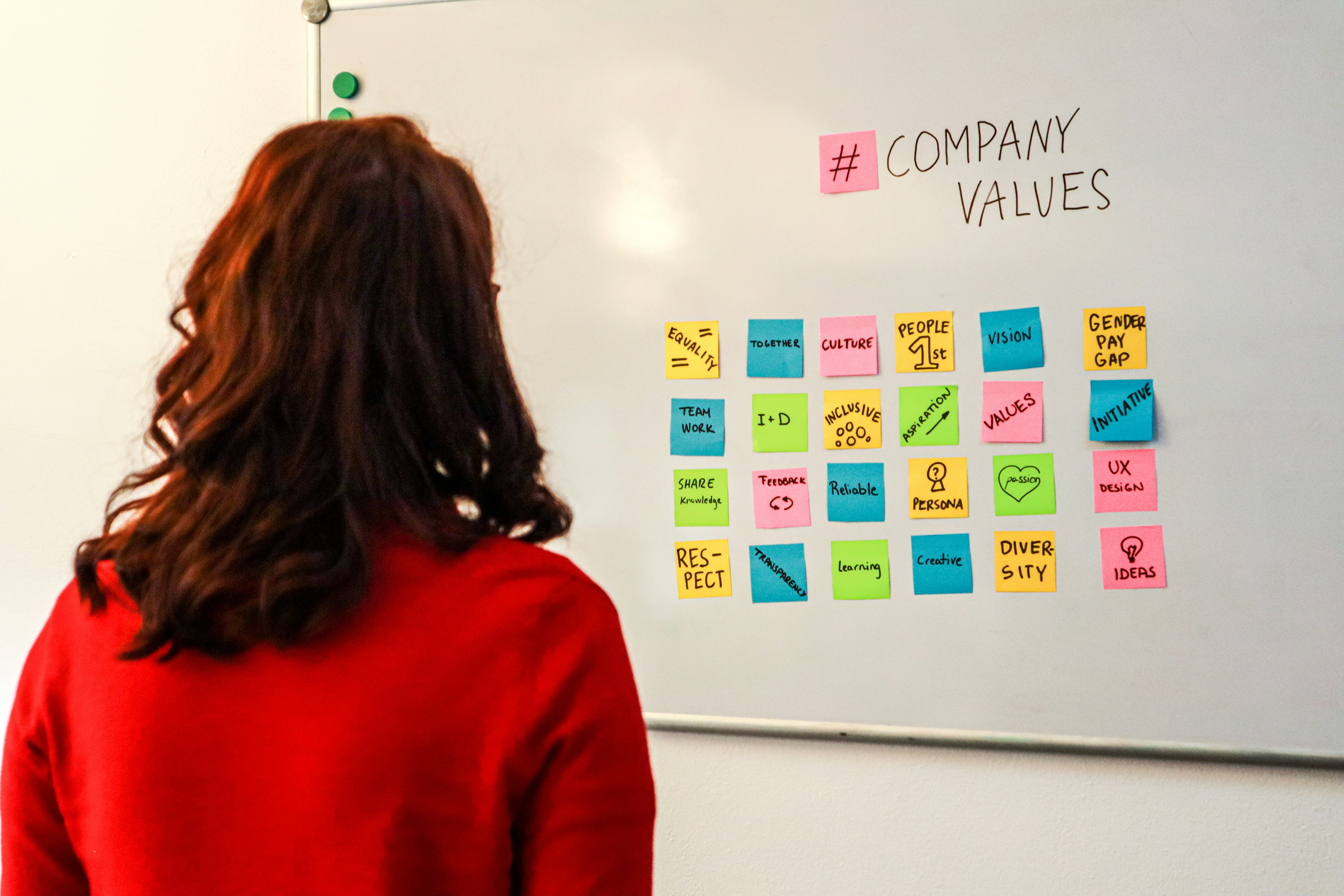
Employee Disengagement: The Silent Turnover Crisis

Employee Disengagement: The Silent Turnover Crisis

Employee disengagement is emerging as one of the most significant workforce challenges facing organizations today. While employees are staying in their roles longer, many are becoming increasingly disconnected from thei…

Read More
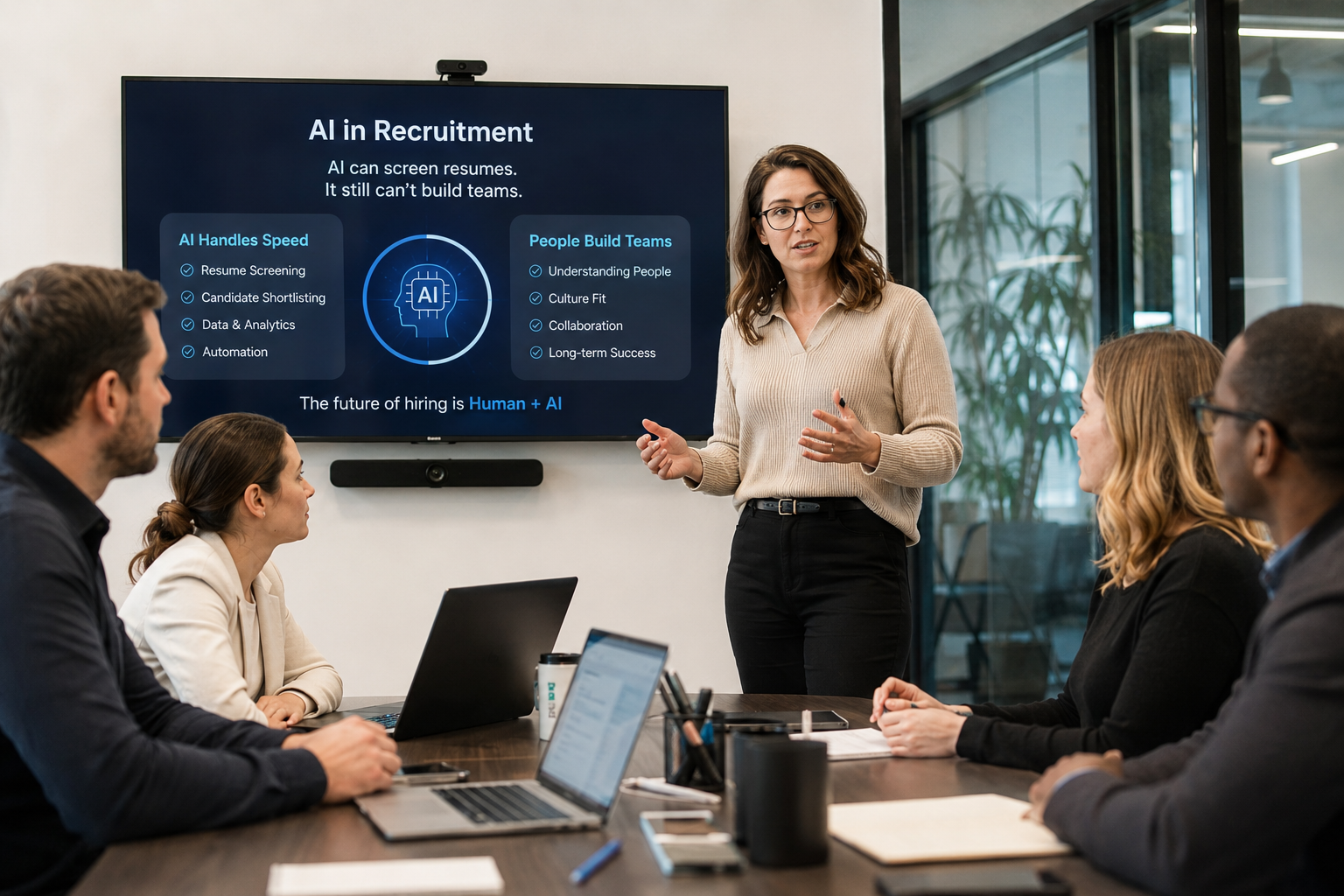
AI in Recruitment: Why Technology Still Can’t Build Great Teams

AI in Recruitment: Why Technology Still Can’t Build Great Teams

AI in recruitment is rapidly transforming how companies hire, screen, and evaluate talent.

Read More
The Future of Recruitment in 2026

The Future of Recruitment in 2026

Recruitment is entering a quieter, more disciplined phase. After years marked by rapid hiring, sudden freezes, and technology-first experimentation, organizations are now reassessing how they attract, evaluate, and retain talent. By 2026, recruitment will look less like a race for volume and more like a long-term business function focused on resilience, capability, and fit. This shift is not being driven by tools alone. It reflects deeper changes in labor markets, workforce expectations, and how businesses define productivity and growth. For employers and talent leaders, understanding these changes is critical not to predict the future perfectly, but to prepare for it responsibly. From Speed to Precision Over the last decade, hiring success was often measured by speed. Faster time-to-fill meant competitive advantage. While speed still matters, its dominance is fading. Organizations are now paying closer attention to quality of hire, role relevance, and long-term performance. Research from the Society for Human Resource Management (SHRM) shows that poor hiring decisions can cost organizations up to 30% of an employee’s first-year earnings when factoring in lost productivity, rehiring costs, and disruption to teams (SHRM, Talent Acquisition Research) . As margins tighten and roles become more specialized, this risk is harder to ignore. By 2026, recruitment strategies are expected to emphasize: Clearer role definitions tied to business outcomes Fewer but more intentional hiring decisions Stronger collaboration between hiring managers and recruiters This shift favors structured hiring models over reactive posting-and-screening approaches. Skills-Based Hiring Becomes the Default Another defining change is the gradual move away from credential-heavy hiring. Degrees and job titles are no longer reliable indicators of capability, especially as roles evolve faster than formal education pathways. According to the World Economic Forum, nearly 50% of all employees will require reskilling by 2027 due to technological and economic shifts (World Economic Forum, Future of Jobs Report) . In response, organizations are increasingly prioritizing: Demonstrated skills Transferable experience Learning agility By 2026, skills-based hiring is expected to be the norm rather than the exception. This does not mean lowering standards. It means evaluating candidates based on what they can do today and how quickly they can adapt tomorrow. Staffing partners play a growing role here by validating skills through assessments, structured interviews, and real-world evaluations, rather than relying solely on resumes. Recruitment Becomes More Human Not Less Despite the rise of automation and analytics, recruitment is becoming more human in important ways. Technology is reducing administrative load, but decision-making remains rooted in judgment, context, and communication. Gartner notes that while automation improves efficiency, candidate experience and hiring manager trust continue to depend on human interaction and transparency (Gartner, HR Leadership Vision) . Candidates expect: Clear communication Honest role expectations Feedback that feels considered, not automated By 2026, organizations that rely entirely on impersonal hiring processes risk damaging both their employer brand and their acceptance rates. Human-centered recruitment supported by technology, not replaced by it, will be a key differentiator. The Expansion of Non-Linear Talent Pathways Traditional career paths are becoming less common. Career breaks, contract roles, lateral moves, and phased returns are now part of the mainstream workforce experience. The U.S. Bureau of Labor Statistics reports that the average worker changes jobs every four years, and many step in and out of the workforce over longer careers (BLS, Labor Market Dynamics). This reality challenges outdated hiring assumptions about continuity and progression. By 2026, recruitment strategies are expected to: Normalize career gaps Value diverse professional trajectories Build pipelines beyond “active job seekers” This is where workforce partners and programs such as structured returnships and project-based staffing help organizations access experienced talent that traditional hiring models overlook. MARS Solutions Group, for example, integrates staffing with broader workforce programs to support both immediate hiring needs and longer-term talent development (MARS Solutions Group – Staffing & Workforce Services) . Data Informs Decisions But Doesn’t Make Them Recruitment data is more accessible than ever. Metrics such as time-to-hire, candidate conversion rates, and source effectiveness are now standard. However, organizations are learning that data alone does not equal insight. McKinsey highlights that high-performing talent organizations use data to inform decisions, not replace judgment (McKinsey, The State of Organizations) . In practice, this means: Using data to identify patterns, not dictate outcomes Combining quantitative metrics with qualitative feedback Avoiding over-optimization that excludes strong but unconventional candidates By 2026, mature recruitment functions will be those that balance analytics with context—understanding when to trust the numbers and when to look deeper. Employer Brand Moves from Messaging to Evidence Candidates are increasingly skeptical of polished employer branding. Culture statements and career pages matter, but they are no longer enough. What carries more weight is consistency between messaging and experience. LinkedIn’s Global Talent Trends report shows that candidates trust peer reviews, interview experiences, and word-of-mouth more than employer-generated content (LinkedIn, Global Talent Trends) . This places pressure on recruitment teams to ensure that: Hiring processes reflect company values Communication is respectful and transparent Expectations are realistic and consistent By 2026, employer brand will be shaped less by campaigns and more by how recruitment is practiced day to day. Workforce Flexibility as a Strategic Requirement Flexibility is no longer a perk, it is a structural requirement. Remote, hybrid, and project-based work models are now embedded across industries. Recruitment strategies must adapt accordingly. Deloitte’s Human Capital Trends report emphasizes that organizations with flexible workforce models are better positioned to respond to market volatility and talent shortages (Deloitte, Global Human Capital Trends ). This affects recruitment in several ways: Broader geographic talent pools Increased reliance on contract and interim talent Greater need for workforce planning alignment Staffing groups are expected to play a more consultative role by helping organizations design flexible hiring models that align with operational goals. What Recruitment Leaders Should Focus on Now Preparing for recruitment in 2026 does not require radical reinvention. It requires disciplined execution and thoughtful alignment. Key priorities include: Clarifying workforce needs before roles are opened Investing in skills validation and assessment Partnering with staffing experts who understand both speed and fit Designing hiring processes that candidates can trust Organizations that approach recruitment as a long-term capability not a transactional function will be better positioned to navigate uncertainty. Looking Ahead The future of recruitment is not defined by a single technology or trend. It is shaped by how organizations balance efficiency with empathy, data with judgment, and short-term needs with long-term strategy. By 2026, successful recruitment functions will be those that are adaptable, human-centered, and deeply aligned with business objectives. Staffing partners that understand this balance combining structured processes with real-world insight will continue to play a critical role in helping organizations build resilient, future-ready workforces.

Read More
Why Your Hiring Pipeline Breaks After 6 PM

Why Your Hiring Pipeline Breaks After 6 PM

Recruitment inefficiencies are rarely dramatic. They are usually quiet, recurring, and easy to overlook. One of the most common is also one of the least discussed: the daily pause in hiring activity that occurs outside standard working hours. For many organizations, recruitment effectively operates within a fixed window, typically aligned to local business hours. Outside of this window, applications continue, candidate interest remains high, and competing employers stay active. The pipeline, however, slows or stops entirely. This gap is not intentional. But by 2026, it is increasingly becoming a structural disadvantage. The After-Hours Hiring Gap Candidate behavior is no longer confined to business hours. Applications are submitted in the evenings, on weekends, and across time zones. Digital job platforms have removed temporal barriers, but many hiring processes have not adapted accordingly. Data from LinkedIn Talent Solutions indicates that early engagement significantly increases the likelihood of progressing candidates through the hiring funnel, particularly in competitive roles. Delays in initial response often result in reduced engagement or complete drop-off. At the same time, research from Glassdoor shows that candidate experience including responsiveness and communication speed directly influences offer acceptance rates. In practical terms, this means that a candidate who applies at 8 PM and receives no response until the following day is already at a disadvantage in your pipeline compared to one engaged within hours. Hiring as a Time-Bound Function Most organizations do not explicitly design recruitment to pause after working hours. However, operationally, this is exactly what happens. Typical constraints include: Recruiter availability tied to a single geography Manual coordination for screening and scheduling Dependence on synchronous communication between stakeholders These constraints create a predictable pattern: Applications accumulate overnight Screening begins the next day Scheduling delays push timelines further According to the Society for Human Resource Management , longer hiring cycles are associated with higher costs, lower candidate quality, and increased drop-off rates. While these outcomes are often attributed to market conditions, process design plays an equally significant role. By 2026, organizations are increasingly recognizing that hiring delays are not just a speed issue, but a continuity issue. From Daily Cycles to Continuous Pipelines The core limitation is not effort, it is structure. Traditional hiring models operate in daily cycles: Review Screen Coordinate Repeat Each stage depends on the availability of specific individuals within a fixed timeframe. When that timeframe ends, progress pauses. In contrast, emerging recruitment models are structured around continuous workflow rather than daily activity. This shift reflects broader changes in how global teams operate, particularly in functions such as customer support, engineering, and operations. Recruitment is beginning to follow the same pattern. The Follow-the-Sun Recruiting Model One response to this challenge is the adoption of distributed hiring models, often referred to as Follow-the-Sun Recruiting. The concept is straightforward: recruitment activity is aligned across multiple time zones so that progress continues regardless of local working hours. Instead of a single team managing the entire pipeline, responsibilities are distributed: Candidate screening is handed off across regions Interview coordination continues asynchronously Communication is maintained with minimal delay This model is not new in global operations, but its application to recruitment is expanding as hiring becomes more time-sensitive and geographically distributed. Operational Impact A continuous recruitment model changes how pipelines behave. In a traditional setup: A candidate applies in the evening Screening begins the next day Coordination introduces further delays In a distributed model: Applications are reviewed within hours Screening occurs during off-hours Scheduling progresses without interruption The difference is not just speed. It is momentum. Maintaining momentum reduces the likelihood of candidate disengagement, shortens overall hiring cycles, and improves the consistency of the hiring experience. Why This Matters More in 2026 Several broader trends are reinforcing the need for continuous hiring models: Global talent pools: Candidates are no longer limited to local markets Increased competition: Multiple employers engage the same candidates simultaneously Candidate expectations: Faster, more transparent communication is now standard According to Deloitte , organizations that adapt their workforce strategies to global and flexible operating models are better positioned to compete for talent in constrained markets (Deloitte, Global Human Capital Trends). Recruitment, as an extension of workforce strategy, is subject to the same pressures. The Role Of Process Design Addressing the after-hours gap does not necessarily require larger teams. It requires different design choices. Key considerations include: How quickly candidates are acknowledged and engaged Whether screening can occur asynchronously How handoffs between stages are managed The extent to which recruitment is centralized or distributed Organizations that treat recruitment as a continuous system rather than a sequence of daily tasks are better equipped to reduce inefficiencies that accumulate over time MARS Solutions Group Approach MARS Solutions Group applies a distributed recruitment model designed to address exactly this challenge. By aligning recruiting activity across time zones, MARS enables: Ongoing candidate engagement beyond local working hours Faster progression from application to screening Reduced delays in coordination and scheduling This approach is not positioned as a replacement for internal teams, but as an extension that ensures continuity where traditional structures create gaps. Looking Ahead' The hiring pipeline does not break after 6 PM because of a lack of effort. It breaks because it was not designed to operate beyond that point. As recruitment continues to evolve into a more strategic and globally integrated function, continuity will become as important as speed or scale. Organizations that address these structural gaps by redesigning how and when hiring happens will be better positioned to compete for talent in an increasingly time-sensitive market. The question is no longer how fast you hire within the day. It is whether your hiring process continues when the day ends.

Read More
Best AI Recruitment Tool 2025: Why TalentFlex Beats Job Board Subscriptions

Best AI Recruitment Tool 2025: Why TalentFlex Beats Job Board Subscriptions

Introduction For many organizations, subscribing to a suite of job boards has been a baseline recruitment strategy: post – wait for applications – sort resumes. But in today’s hyper-competitive talent market, that strat…

Read More
Best AI Recruitment Tool 2025: Why TalentFlex Beats Job Board Subscriptions

Best AI Recruitment Tool 2025: Why TalentFlex Beats Job Board Subscriptions

Introduction For many organizations, subscribing to a suite of job boards has been a baseline recruitment strategy: post – wait for applications – sort resumes. But in today’s hyper-competitive talent market, that strategy alone increasingly under-delivers. While job boards give visibility, they often flood recruiters with high volumes of applicants many of whom may not truly match the role. Enter AI-driven platforms such as MARS TalentFlex . By leveraging intelligent screening, matching, and ranking, they replace broad-reach tactics with precision-hiring. This blog will compare traditional job-board reliance with the AI-first approach, draw on data to highlight why the shift matters, and show why MARS TalentFlex offers a better path forward. 1. The Limitations of Job Board Subscriptions Broad Reach ≠ High Relevance Job boards do provide access to large applicant pools and have a role in the ecosystem. But the challenge lies in filtering: many posted roles attract hundreds or thousands of responses. Without strong screening, recruitment teams can get overwhelmed. Moreover, job boards are inherently reactive waiting for applicants rather than proactively sourcing the right match. Cost and Time Inefficiencies Each job-board post has a cost (either per post or subscription). Multiply that across roles, boards, and campaigns, and hiring spend climbs. Meanwhile, manual review of large applicant volumes drags time to hire upwards, risking the loss of quality candidates. The average hiring process still takes weeks rather than days. Passive Talent is Often Missed Job boards primarily attract active job-seekers. But the best hires often come from passive talent – those not actively looking but open to the right opportunity. Job boards are less effective at reaching this segment, limiting the talent pipeline. 2. Why AI Matters in Modern Recruitment Widespread Adoption and Tangible Gains According to the “AI in Hiring 2025” survey by Insight Global, 99% of hiring managers now use AI in the hiring process, and 98% report significant improvements in hiring efficiency. Another source notes that 87% of companies use AI-driven recruitment tools, with benefits such as time savings, cost reduction, and improved sourcing. Better Matching, Faster Screening AI can do more than simply filter by keywords. AI’s ability to analyze skills, experience, fit, and context elevates matching quality. The World Economic Forum reports that candidates who went through AI-led interviews progressed at a 53% success rate compared to 28.6% via traditional resume-screening. Cost Savings and Efficiency Gains The Society for Human Resource Management (SHRM) reports that 89% of HR professionals whose organizations use AI for recruiting say it saves time or increases efficiency. About 36% say it reduces recruitment, interviewing, or hiring costs. Scalability and Agility As hiring demands fluctuate, AI platforms scale quickly without needing massive manual review teams. They allow recruiters to manage volume while keeping focus on high-value candidates. 3. Why MARS TalentFlex Trumps Job Boards Precision Over Volume Rather than simply posting to multiple boards and waiting, MARS TalentFlex leverages proprietary AI to scan, rank, and deliver the top 5–8 matched profiles per job request. This replaces hundreds of resumes with a curated shortlist. Faster Time-to-Hire, Better Quality Thanks to AI screening and matching, recruiters spend less time filtering and more time engaging qualified candidates. That means faster decision-making, reduced candidate drop-off, and a better employer brand as responsiveness improves. Cost-Effective and Predictable Rather than paying for multiple job board subscriptions (which may or may not deliver good candidates), MARS TalentFlex offers a model focused on outcomes: matched talent delivered. This means better ROI on hiring spend. Access to Passive + Active Talent While job boards skew toward active applicants, MARS TalentFlex’s AI can surface candidates who might not be actively applying but whose profiles match well. This opens up a richer talent pool and improves competitive advantage Data-Driven Insights With each role processed, the platform accumulates data on match-rates, time-to-hire, candidate success. These insights enable continuous improvement of hiring strategy = something traditional job board postings rarely deliver. 4. How to Transition from Job Boards to AI Recruitment Step 1: Audit Your Current Spend and Outcomes List all job-board subscriptions, cost per role, number of hires, time-to-hire. Step 2: Map Where Volume vs Relevance is Lacking Are you getting many applications but few fits? Step 3: Pilot an AI-Driven Platform Like MARS TalentFlex Submit a job, compare outcomes: number of candidates, time, quality. Step 4: Measure and Optimize Track match-to-hire ratio, retention of hires, hiring cost. Step 5: Reallocate Budget Gradually reduce subscriptions where ROI is low; invest more in AI-driven matching and curated shortlists.

Read More
Introducing MARS Dispatch — insights, talent moves, and leadership intel for manufacturing.

Introducing MARS Dispatch — insights, talent moves, and leadership intel for manufacturing.

Manufacturing leadership is shifting faster than ever — and MARS is at the center of it. The MARS Dispatch is our exclusive newsletter built for manufacturing executives, plant leaders, and operations decision-makers wh…

Read More
The War for Place in Healthcare

The War for Place in Healthcare

Beyond Jobs: The Real Battle Healthcare systems have fought to win talent with pay, culture, and career growth. But in 2025, the real battle isn’t over jobs — it’s over place . 📊 61% of disconnected employees plan to l…

Read More
Flexibility Over Pay: Addressing Burnout in Healthcare

Flexibility Over Pay: Addressing Burnout in Healthcare

Burnout is no longer just a buzzword in healthcare, it’s one of the biggest drivers of attrition worldwide. Healthcare workers are leaving not only because of pay dissatisfaction but because they want something even mor…

Read More
Quiet Hiring in Manufacturing: How Companies Are Filling Critical Roles Without Posting Jobs

Quiet Hiring in Manufacturing: How Companies Are Filling Critical Roles Without Posting Jobs

If you only looked at job boards, you might think manufacturing hiring has slowed down. The reality is different. It hasn’t stopped, it has just gone quiet.

Read More
Why Your Best Candidates Are Choosing Cities Over Your Company (And How to Fix It)

Why Your Best Candidates Are Choosing Cities Over Your Company (And How to Fix It)

The hidden reason top talent keeps slipping away – and the strategic solution business leaders are using to win.

Read More
Scaling Tech Teams with Staff Augmentation: The Smarter Way to Grow

Scaling Tech Teams with Staff Augmentation: The Smarter Way to Grow

In today’s fast-moving tech landscape, staying competitive means scaling your teams with precision and speed. But hiring full-time talent for every project need or growth spurt isn’t just inefficient—it’s a risk. That’s…

Read More
Why Job Boards Are Broken—and What to Do Instead

Why Job Boards Are Broken—and What to Do Instead

In a world where hiring speed and quality are critical, job boards are starting to feel like yesterday’s solution to today’s talent problem. For decades, they’ve been the go-to for posting open roles. But now? They’re b…

Read More
Podcast: Rashi Arora Khosla Featured on BMO's Thrivefecta

Podcast: Rashi Arora Khosla Featured on BMO's Thrivefecta

We are excited to share that our founder and CEO, Rashi Arora Khosla, was recently featured on BMO's ThriveFecta podcast as part of their Women's History Month celebration! In this inspiring conversation, Rashi discusse…

Read More
Hiring is Sales: Build a Talent Pipeline, Not a Job Post

Hiring is Sales: Build a Talent Pipeline, Not a Job Post

Would You Ever Wait for Customers to Find You? Then Why Wait for Talent?

Read More
2025 Trends: Why Outsourcing Staffing Needs Is a Smart Business Move

2025 Trends: Why Outsourcing Staffing Needs Is a Smart Business Move

In today’s fast-paced and ever-evolving business environment, effective talent management is critical to success. Forward-thinking companies are increasingly turning to outsourcing as a strategic approach to meet their…

Read More
The Rise of the Gig Economy: Opportunities and Challenges for Today's Workforce

The Rise of the Gig Economy: Opportunities and Challenges for Today's Workforce

In recent years, the gig economy has experienced rapid growth, reshaping the traditional employment landscape. From ride-sharing drivers and delivery couriers to freelance consultants and creatives, gig workers are foun…

Read More
The Digital Doctor: How Technology is Transforming Medical Care

The Digital Doctor: How Technology is Transforming Medical Care

As we approach 2025, the future of healthcare is undergoing a profound transformation. Rapid technological advancements are revolutionizing the industry, leading to more efficient, patient-centric care. Key innovations…

Read More
Landing Your Dream Job: The Power of Persistence

Landing Your Dream Job: The Power of Persistence

In today's competitive job market, landing your dream job often requires more than just a strong resume and impressive skills. Persistence plays a crucial role in your success. While it's essential to be persistent, it'…

Read More
The New Work Reality: Key Skills to Succeed in 2025

The New Work Reality: Key Skills to Succeed in 2025

Welcome, trailblazers and visionaries! The job market is evolving rapidly due to automation, artificial intelligence (AI), and digital transformation. Are you equipped with the key skills to succeed in 2025? Embracing t…

Read More
Revolutionizing Talent Acquisition: The AI Advantage at MARS Solutions Group

Revolutionizing Talent Acquisition: The AI Advantage at MARS Solutions Group

Welcome to the forefront of talent acquisition! At MARS Solutions Group, we are not just participants in the AI revolution; we are its champions. The dynamic landscape of Artificial Intelligence (AI) is reshaping how vi…

Read More
Transferable Skills for Women in the Workforce

Transferable Skills for Women in the Workforce

Returning to the workforce after a hiatus can be a daunting task, particularly for women. However, this period of absence often leads to personal and professional growth, equipping individuals with a unique set of trans…

Read More
Why Utilize an RPO for Healthcare Staffing? The Top 5 Reasons:

Why Utilize an RPO for Healthcare Staffing? The Top 5 Reasons:

Securing top talent is a perennial challenge in the dynamic world of healthcare. With workforce shortages, increased demand, and financial pressures, healthcare organizations need innovative solutions to stay ahead. Rec…

Read More
The Great Retention Revolution: Future-Proof Your Workforce in 2024 and Beyond

The Great Retention Revolution: Future-Proof Your Workforce in 2024 and Beyond

The "Great Resignation" wasn't just a trend; it was a seismic shift. It forced companies to confront the cold, hard truth: Employees have more power than ever before.

Read More